Successful AI Development and Cooperation Seminar Held in Shanghai
On April 23, 2026, the Shanghai Academy of Social Sciences hosted the first International Governance Forum on Cyberspace, titled “AI Development and Cooperation from a Regional Perspective.” The event was organized by the Academy’s International Governance Research Base and the Shanghai Society for AI and Social Development.
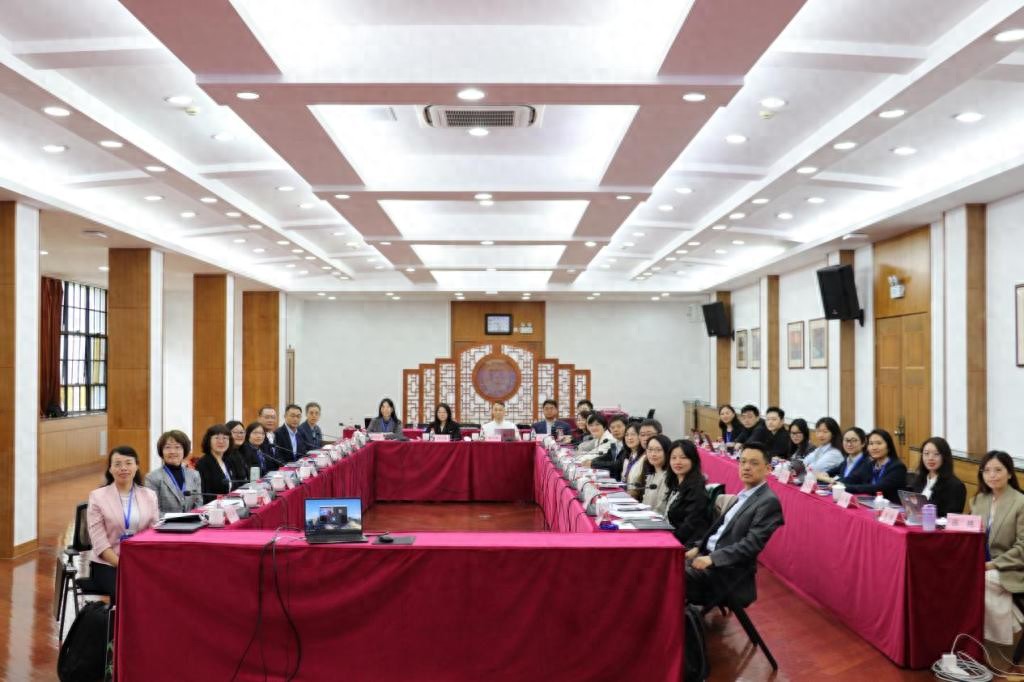
Artificial intelligence (AI) is reshaping global industrial structures, geopolitical orders, and international regulatory systems with unprecedented technological penetration. However, AI is not a purely abstract technology; it is rooted in specific historical and cultural contexts and operates within various legal frameworks, responding to diverse social and ethical expectations. Liu Yun, Vice President of the Shanghai Academy of Social Sciences, emphasized that research on AI governance without considering regional perspectives can lead to abstract, unilateral, and overly technical misconceptions. Conversely, regional studies lacking an AI dimension struggle to address the new realities of global geopolitical changes in the digital age. The intersection of these two areas represents a theoretical innovation point at the academic frontier and is a practical necessity for supporting national strategies, informing diplomatic decisions, shaping global rules, and safeguarding national digital sovereignty and cybersecurity.
During the seminar, the Shanghai Academy of Social Sciences’ International Governance Research Base signed a strategic cooperation agreement with the Foreign Languages College of Heilongjiang University (Regional Studies College). The collaboration aims to address core issues in international governance of cyberspace, such as regional differences, rule discrepancies, and cross-cultural communication. The two institutions will work together on joint research, talent development, decision-making consultation, social services, academic exchanges, and brand building to enhance China’s discourse power and influence in international governance of cyberspace and contribute to building a community with a shared future in cyberspace.
The seminar analyzed global AI governance opportunities and challenges from three levels: major countries and regions, regional processes, and important mechanisms.
At the country level, experts systematically reviewed and compared the AI strategies, legal paths, and governance frameworks of major countries and regions, including China, the United States, the European Union, Germany, Russia, and Brazil, highlighting the differentiated paths in development and security, innovation and regulation. At the regional level, the conference focused on building AI cooperation mechanisms, discussing the competition between China and the U.S. in Southeast Asia, AI development in Africa and China-Africa cooperation, regional cooperation among Global South countries, and AI collaboration and image dissemination practices aimed at ASEAN. At the global mechanism level, participants analyzed the AI governance processes under the United Nations framework, military AI governance mechanisms, systems for managing AI misinformation, and the diffusion logic of U.S. governance mechanisms, presenting the current key mechanisms, real dilemmas, and development trends in global AI governance.
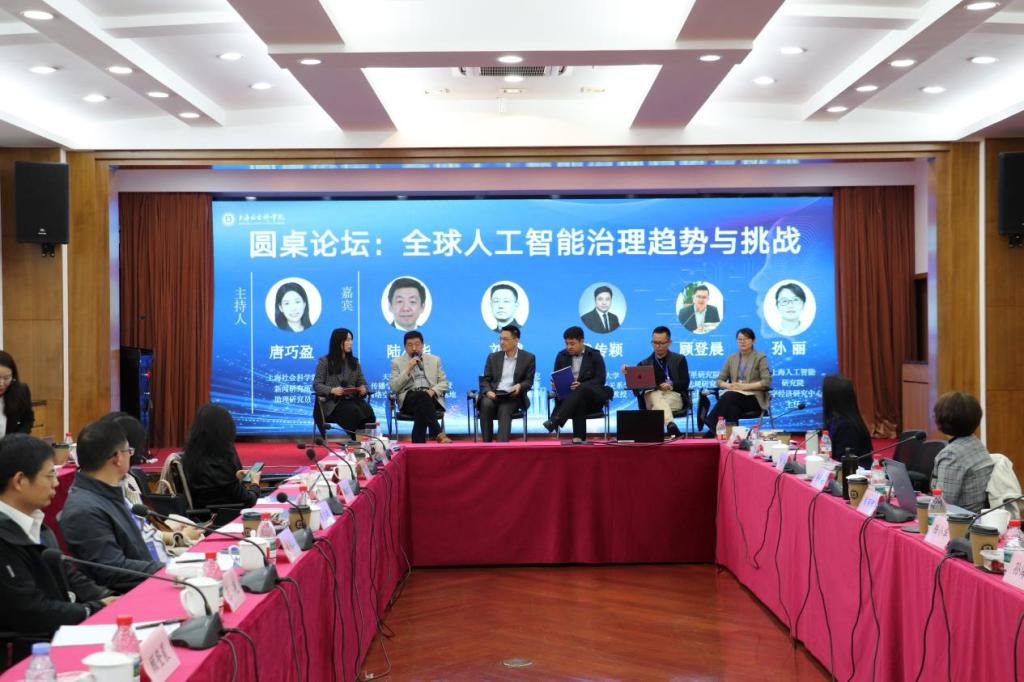
In the roundtable forum, invited experts focused on urgent issues in global AI governance, differences in regulatory competition among China, the U.S., and Europe, challenges faced by Chinese companies abroad, and China’s role in global AI governance. They provided practical insights and professional perspectives from various angles, including technological security, industrial practices, international competition, and diplomatic communication, to deepen AI governance in China, promote international cooperation, and enhance China’s discourse power in global governance.
Finally, the seminar’s convener, Dai Lina, Deputy Director of the News Research Institute at the Shanghai Academy of Social Sciences and head of the International Governance Research Base, concluded that the seminar established a high-level exchange platform for regional and national studies on AI governance. It not only systematically showcased the AI strategies, governance mechanisms, and cooperation trends of major countries and regions but also deepened the interdisciplinary research between international governance in cyberspace and regional studies. The successful holding of this seminar is significant for promoting theoretical innovation in AI governance in China and meeting national strategic needs, laying a solid foundation for ongoing research in global AI governance.
Comments
Discussion is powered by Giscus (GitHub Discussions). Add
repo,repoID,category, andcategoryIDunder[params.comments.giscus]inhugo.tomlusing the values from the Giscus setup tool.